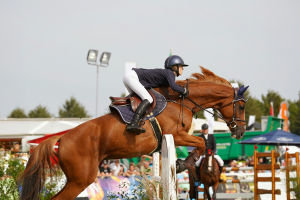
Horse riding is more than just a skill—it's a beautiful partnership between rider and horse.
Whether you're galloping through an open field or performing intricate dressage movements, the key to successful riding lies in your connection with your horse.
However, mastering horse riding techniques requires time, patience, and proper guidance. The following tips will help you become more confident in the saddle, improve your posture, and gain better control over your horse.
Focus on Your Posture
A solid foundation for any rider is good posture. Proper posture not only helps you stay balanced, but it also improves your ability to communicate effectively with your horse.
• Sit Up Straight: Keep your back straight and avoid slouching. Imagine a string pulling you upwards from the top of your head. This posture will keep your seat centered and help you maintain stability.
• Relax Your Shoulders: Tension in your shoulders can transfer to your horse, making it uneasy. Keep your shoulders back but relaxed, and avoid leaning forward or backward.
• Hold the Reins Lightly: Your grip on the reins should be soft and gentle. Gripping them too tightly can signal stress to your horse, leading to stiff movements.
Improve Your Balance and Seat
To ride effectively, you need to develop a strong, centered seat. The better your balance, the smoother your riding experience will be, and the more control you will have.
• Use Your Core Muscles: Engage your core muscles to help maintain balance while riding. This will allow you to absorb the movement of the horse and prevent you from bouncing in the saddle.
• Find the Sweet Spot: The ideal position in the saddle is one where you are neither too far forward nor too far back. Your weight should be evenly distributed between your hips and thighs.
• Practice Posting: When riding at a trot, practice "posting" by rising out of the saddle with each stride. This technique reduces the impact on your body and helps improve your coordination with the horse's movements.
Master the Use of Your Legs and Hands
A key to effective horse riding lies in the coordination of your legs and hands. The way you use them can either prompt the horse to move smoothly or disrupt the rhythm.
• Leg Aids: Use your legs to guide and direct the horse. Gently squeeze with your calves to ask the horse to move forward or to steer. A strong leg aid helps keep the horse in line with your desired direction.
• Hand Aids: The reins should be used to communicate subtle cues to your horse. Hold the reins with relaxed hands, using slight pulls or tugs to guide the horse. Too much tension can confuse or discomfort the horse.
• Synchronized Aids: Make sure your hands and legs work together. If you want to turn, for example, your hands and legs should coordinate in the same direction to signal the horse more clearly.
Control Your Horse's Speed and Gait
One of the most important skills to learn is how to control your horse's speed and gait. Riding at various speeds requires different levels of control and skill.
• The Walk: The walk is the slowest gait, and it's the perfect place to start building your foundation. To maintain a steady walk, keep your body relaxed and allow the horse's movement to flow beneath you.
• The Trot: The trot is faster and requires more control. If you're not yet comfortable with posting, practice keeping your seat steady and absorbing the movements of the horse with your core muscles.
• The Canter: The canter is a smooth, three-beat gait that requires precision and balance. It's faster than a trot, but slower than a gallop. To maintain a good canter, you must stay centered, control your hands and legs, and maintain a steady rhythm.
• The Gallop: The gallop is the fastest gait, and it's often used in racing or trail riding. A smooth gallop requires strong communication between you and the horse, with an emphasis on maintaining speed without losing control.
Develop a Connection with Your Horse
Horse riding isn't just about technique; it's about building a relationship with your horse. A horse that trusts its rider will be more responsive and easier to handle.
• Spend Time Grooming: Before riding, spend time grooming your horse. Not only does this make your horse more comfortable, but it also allows you to bond and establish trust.
• Observe Your Horse's Behavior: Every horse has its own personality and preferences. Pay attention to your horse's body language, as it can tell you a lot about how it's feeling during the ride.
• Be Consistent: Consistency in your riding aids, voice commands, and behavior helps your horse understand what you want. Horses thrive on predictability and will respond better when you are consistent in your actions.
Keep Practicing and Stay Patient
Becoming an accomplished rider takes time. Progress comes with regular practice, patience, and an open mind. Even experienced riders continue to refine their skills, as horse riding is a lifelong learning journey.
• Practice Makes Perfect: Whether you're practicing basic movements or refining complex maneuvers, practice is key. Regularly riding will help you develop muscle memory and instinctive responses.
• Embrace Challenges: Don't be discouraged by mistakes. Every rider faces challenges along the way. Use those moments to learn and improve.
Conclusion: Riding is a Journey
Horseback riding is a rewarding skill that requires both physical and mental focus. As you progress, you'll not only develop technical skills but also deepen the bond with your horse. Riding teaches you patience, discipline, and the importance of understanding another being. Whether you're learning the basics or competing at high levels, horse riding is a journey that will enrich your life in countless ways.
Embrace the ride, and let the bond between you and your horse guide you to new heights.