Equestrianism, or horseback riding, is one of the oldest forms of sport, dating back thousands of years.
It's an elegant yet powerful pursuit that combines athleticism, discipline, and an unparalleled bond between horse and rider.
From graceful dressage competitions to the thrilling excitement of show jumping, equestrian sports offer something for everyone. But beyond the excitement of the competition, equestrianism is a lifestyle, steeped in tradition and a deep appreciation for the bond between humans and horses. This article will explore the different facets of equestrian sports, their significance, and what it takes to succeed in them.
The Different Disciplines of Equestrianism
Equestrian sports can be broadly categorized into several disciplines, each with its own unique set of challenges and appeal. Understanding the differences can help riders choose which area suits them best.
Dressage: Precision and Grace
Dressage is often referred to as "horse ballet." It involves guiding a horse through a series of precise movements, demonstrating the animal's obedience, agility, and harmony with its rider. Dressage is a test of both the rider's and the horse's skill, with a focus on control, rhythm, and elegance. Competitions are judged on the precision of the movements and the overall fluidity of the performance.
Show Jumping: Speed and Agility
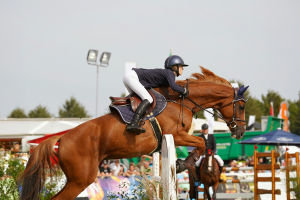
Show jumping, one of the most thrilling equestrian sports, requires both speed and agility. Riders and their horses navigate a course of jumps in the shortest time possible without knocking down any obstacles. Success in show jumping relies on a rider's ability to guide the horse with precision while maintaining a fast pace.
Eventing: The Ultimate Test of Versatility
Eventing is considered the ultimate test for both the horse and rider, as it combines dressage, cross-country jumping, and show jumping into one competition. Riders must demonstrate a wide range of skills, from controlling their horse over long distances in a cross-country course to performing precise movements in dressage.
The Importance of Horse and Rider Connection
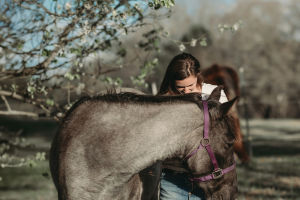
Equestrianism is unique because it involves a living, breathing partner— the horse. The relationship between the horse and rider is fundamental to success in any equestrian discipline. Horses are highly intuitive animals, able to pick up on their rider's body language, emotions, and intentions. This connection requires trust, mutual respect, and clear communication.
Trust and Communication
The success of any equestrian discipline is built on clear communication between the rider and the horse. Whether guiding the horse over jumps, through intricate dressage patterns, or on a cross-country course, the rider must communicate effectively using subtle cues. A seasoned rider knows how to use body movements, pressure from the reins, and even the tone of their voice to guide the horse.
Mutual Respect
While riding a horse requires control, it's equally important to respect the animal's instincts, needs, and physical limitations. Horses have their own personalities and preferences, and it's crucial to understand these traits to ensure a positive and productive partnership.
The Physical and Mental Demands of Equestrian Sports
Equestrian sports are often underestimated in terms of physical and mental demands. While it may appear that the horse does most of the work, the rider's skill, stamina, and mental focus are just as critical to success.
Physical Endurance
Riding, especially in events like show jumping and cross-country, requires physical strength and endurance. Riders must maintain balance, control, and posture while navigating challenging courses. They also need to be in good physical shape to handle the demands of long rides and the energy required for competitions.
Mental Focus
Equestrianism requires a high level of mental discipline. Riders must be able to focus under pressure, especially during competitions where quick decisions can make the difference between success and failure. The ability to remain calm and composed, even in the most stressful situations, is essential.
The Beauty of Equestrianism Beyond the Competition
While equestrian sports are often associated with competition, there is also a beautiful and meditative side to the sport. For many riders, horseback riding is a way to connect with nature, build confidence, and find peace of mind.
Riding for Pleasure
Equestrianism isn't always about winning competitions. For many, it's simply about the joy of riding and spending time with horses. Whether it's riding through the countryside, practicing techniques in the arena, or bonding with a beloved horse, the experience can be therapeutic and enriching.
A Lifestyle of Tradition
Equestrian sports are often steeped in tradition and culture. From the attire to the ceremonies and the respect for the horses, equestrianism is a lifestyle that emphasizes discipline, respect. It's a community of individuals who share a deep appreciation for the sport and the animals that make it possible.
Conclusion: The Legacy and Future of Equestrian Sports
Equestrian sports are more than just a physical challenge—they are an art form, a partnership, and a celebration of the bond between human and animal. Whether participating in a competitive event or riding for pleasure, equestrianism offers a sense of fulfillment that is hard to match.
The dedication, skill, and passion required make it a unique and rewarding experience. As the sport continues to evolve, it remains a beautiful expression of grace, strength, and mutual respect. Whether you're an aspiring rider or an experienced competitor, equestrianism provides a lifelong journey of discovery, challenge, and joy.