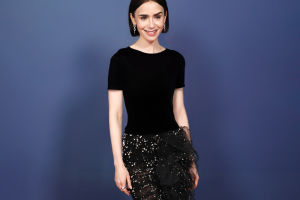
If you're curious about the soprano behind some memorable opera performances, Aida Garifullina is a great place to start. From her early musical training to winning the 2013 Operalia competition, she has built an international career on opera stages, in recordings, and even on film.
Along the way, her repertoire has taken her from famous opera roles to traditional songs. Let’s take a closer look at her musical journey and the performances that helped shape her career.
A Lyric Soprano With a Wide Repertoire
Garifullina is a lyric soprano, a classification associated with a voice suited to agile and high passages. Her repertoire includes roles such as Gilda in Verdi’s Rigoletto, Susanna in Mozart’s Le nozze di Figaro, Musetta in Puccini’s La bohème, and the Snow Maiden in Rimsky-Korsakov’s The Snow Maiden.
Her training included study in Nuremberg with Siegfried Jerusalem and at the University of Music and Performing Arts Vienna. She later performed at major opera venues, including the Vienna State Opera, Paris Opera, La Scala in Milan, and the Metropolitan Opera in New York.
Operalia Recognition in 2013
A major early career achievement came in 2013, when Garifullina won first prize at Plácido Domingo’s Operalia competition. Her winning performance was Rimsky-Korsakov’s “The Snow Maiden’s Aria.”
That same period brought work at the Mariinsky Theatre in St. Petersburg. She appeared as Susanna in Le nozze di Figaro, followed by roles including Gilda in Rigoletto and Adina in Donizetti’s L’elisir d’amore. In 2014, she also performed Natasha Rostova in Prokofiev’s opera, as well as the Queen of Shemakha in Rimsky-Korsakov’s The Golden Cockerel.
What Appears on the Album Aida
Released by Decca, Aida does not focus on a single composer or national tradition. The recording includes music by Rimsky-Korsakov and Rachmaninov, French opera selections, and traditional Cossack and Tatar songs.
The program includes Delibes’ “The Bell Song,” Gounod’s “Je veux vivre,” Rachmaninov’s “Vocalise,” and the Tatar folk song “Allüki.” It also features a traditional “Cossack Lullaby.”
This range makes the recording useful for listeners who want to hear Garifullina in both opera repertoire and traditional song settings. Her approach to phrasing, intonation, and technically demanding passages was also highlighted in contemporary coverage of the album.
From Opera Stage to Film
Garifullina also appeared on screen in the 2016 film Florence Foster Jenkins, directed by Stephen Frears. She portrayed soprano Lily Pons and performed “The Bell Song” while Meryl Streep and Hugh Grant appeared in the scene.
The film marked Garifullina’s first feature-film role. She said the performance was filmed live to camera in one take, making the production different from a conventional recorded opera performance.
Garifullina’s career therefore combines opera performances, competition recognition, studio recordings, and film work. For listeners exploring her music, Aida provides a practical starting point because its program covers French opera, Russian composers, and traditional songs within one recording.