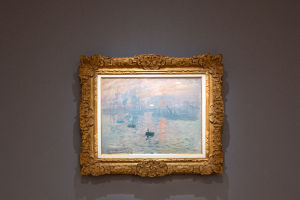
Abstract art has a unique ability to create emotion without telling a specific story.
A painting made of colors, lines, shapes, and textures can feel peaceful, energetic, mysterious, or inspiring, even when it does not show a recognizable object.
This emotional connection is one of the reasons abstract art continues to fascinate people around the world. Rather than asking viewers to identify a subject, it invites them to experience the artwork through feeling, perception, and imagination.
What Makes Art Abstract?
Abstract art does not try to reproduce the visible world exactly. Instead of presenting a realistic landscape, portrait, or object, it uses visual elements such as color, form, line, texture, and space as the main language of expression. Some works contain geometric patterns, while others use flowing shapes and layered surfaces. The focus is not on what the artwork represents, but on how it communicates an idea, mood, or sensation.
Why Abstract Art Feels Emotional
The emotional power of abstract art often comes from its visual energy. Warm colors can feel lively and uplifting, while cooler tones may create a sense of calm. Sharp angles can suggest movement and tension, whereas curved forms often feel softer and more harmonious. Texture also plays an important role, as rough, layered surfaces can add depth and intensity, while smooth areas may create balance and quietness.
Because abstract art does not provide a single fixed meaning, viewers naturally connect it with their own memories, experiences, and emotions. The response becomes personal, which makes the experience feel more immediate and meaningful.
The Power of Personal Interpretation
One of the most remarkable qualities of abstract art is that two people can look at the same painting and experience completely different emotions. One viewer may see freedom and possibility, while another may feel reflection and balance. Both interpretations are valid because abstract art encourages participation rather than offering one correct answer.
This openness allows the artwork to change from person to person. The meaning is not only created by the artist; it is also shaped by the viewer’s perspective, mood, and imagination.
Looking Beyond “What Is It?”
Many people first approach abstract art by trying to identify an object or scene. A more rewarding approach is to observe the visual relationships within the artwork. Consider questions such as:
- What emotions do the colors create?
- Do the shapes feel calm or energetic?
- Is the composition balanced or dynamic?
- Does the texture appear smooth, rough, or layered?
- Which part of the painting attracts attention first?
These questions shift the focus from recognizing objects to understanding the visual language of the artwork.
Why Artists Use Abstraction
Artists often use abstraction to express ideas that may be difficult to communicate through realistic images. Emotion, rhythm, movement, memory, and atmosphere can sometimes be conveyed more effectively through simplified forms and color relationships than through detailed representation.
Some abstract works begin with real subjects that are gradually simplified, while others are created entirely from imagination. In both cases, the goal is often to explore feeling, structure, and visual harmony rather than literal description.
A Slower and More Rewarding Experience
Abstract art encourages viewers to slow down. Without an obvious subject, the eye moves across the painting, discovering contrasts, repetition, texture, and space. Details that seem insignificant at first may become important after a few moments of careful observation.
This slower viewing process can make abstract art especially rewarding. The artwork may reveal different emotions or ideas each time it is seen, creating an experience that continues to develop rather than ending with a quick glance.
The emotional power of abstract art lies in its openness and freedom. It does not demand a single interpretation or provide one correct answer. Instead, it creates a space where color, form, texture, and composition can speak directly to the viewer. Whether the response is excitement, peace, curiosity, inspiration, or reflection, abstract art reminds us that seeing is not only about recognizing objects. It is also about feeling, imagining, and connecting with visual expression on a deeply personal level.